Zinc
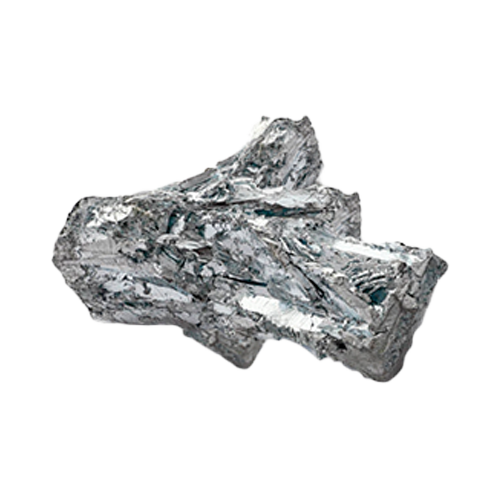
Zinc is a chemical element with the symbol Zn and atomic number 30. It is a slightly brittle metal at room temperature and has a shiny-greyish appearance when oxidation is removed.
Zinc is refined by froth flotation of the ore, roasting, and final extraction using electricity (electrowinning).
The third most developed transition metal by humans, zinc is best known for its good resistance to corrosion, from industrial steels to roofing.
- Premium Quality Assurance: Pasele products undergo rigorous testing and quality control measures to ensure they meet the highest industry standards, providing reliability and performance for your applications.
- Diverse Range of Product: In stock selection of rare earth metals to fulfill your specific needs, whether it's for electronics, renewable energy, or advanced technologies.
- Responsive Customer Support: Our team of experts is dedicated to understanding your unique requirements and providing tailored solutions. Expect prompt responses, technical guidance, and ongoing support to optimize your operations.
- Global Supply Chain Efficiency: With strategic partnerships worldwide, we ensure a steady and efficient supply chain, minimizing lead times and disruptions. Count on us for reliable and timely delivery, no matter where you are located.
ZINC
PROPERTIES
Pure zinc is able to combine with oxygen and other non-metals. The action of dilute acids on zinc releases dihydrogen. Its oxidation state is +2. With different ambient elements, the zinc surface reacts and forms a patina that dulls its shine but is adherent and protective.
ZINC
USES
Most zinc is used to galvanise other metals, such as iron, to prevent rusting. Galvanised steel is used for car bodies, street lamp posts, safety barriers and suspension bridges.
Large quantities of zinc are used to produce die-castings, which are important in the automobile, electrical and hardware industries. Zinc is also used in alloys such as brass, nickel silver and aluminium solder.